This article is for informational purposes only and does not replace professional medical advice. Always consult your healthcare provider with any concerns about your pregnancy.
How Big Is Your Baby?
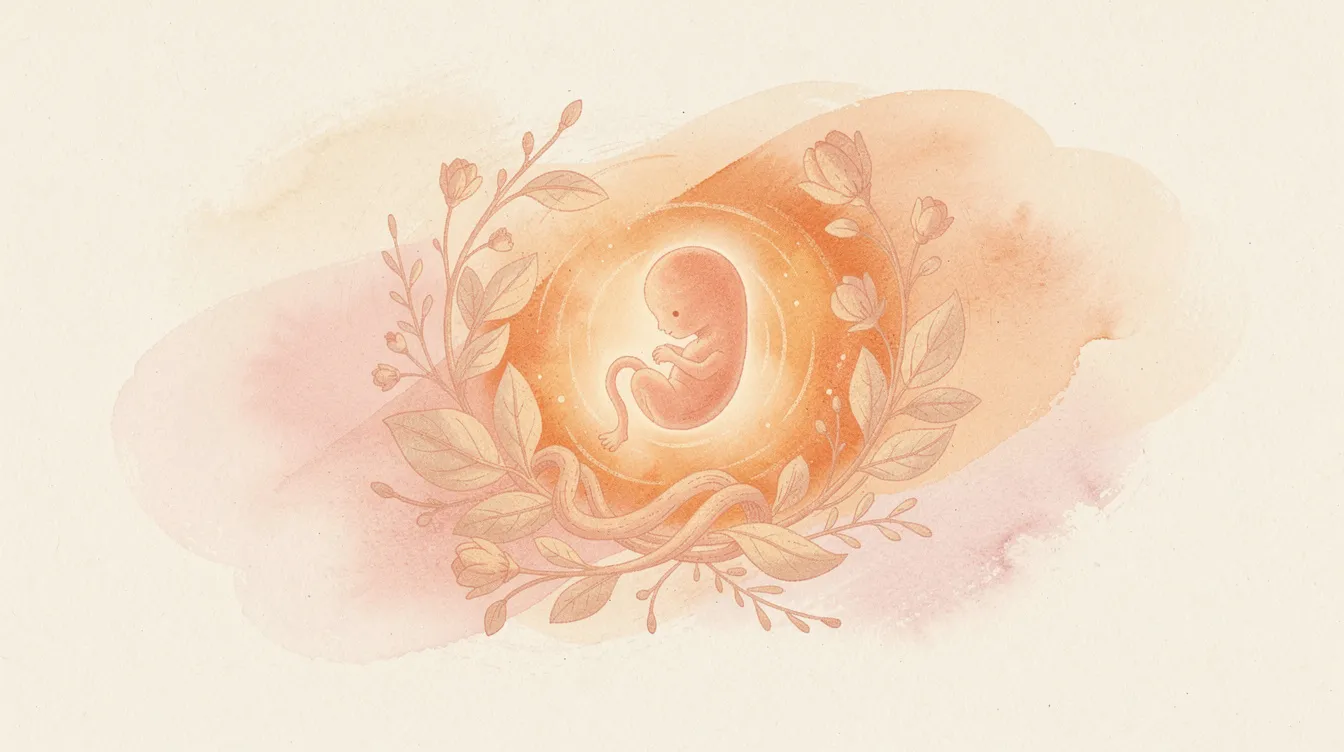
Your baby is about the size of a lentil — approximately 4-6 mm.
Your Baby's Development
The embryo's heart now beats at 100-160 beats per minute and may be visible on transvaginal ultrasound. The neural tube is closing — a critical milestone. Tiny facial features are forming: dark spots where eyes will be, openings for nostrils, and indentations for ears. Arm and leg buds are growing longer and will soon develop paddle-like hands and feet. The liver, lungs, and kidneys continue developing. The embryo still has a small tail that will eventually disappear.
Your Body This Week
Symptoms may intensify as hCG levels peak:
- Morning sickness may worsen — remember it can occur at any time
- Increased saliva production
- Food aversions — coffee, meat, and certain smells are common triggers
- Breast changes — areolas may darken, veins become more visible
- Bloating and gas due to slowed digestion
- Emotional sensitivity — crying more easily is normal
- Mild acne from hormonal fluctuations
- Nasal congestion — increased blood volume swells nasal membranes
What to Do This Week
- Schedule your first prenatal visit if not yet booked (aim for weeks 8-10)
- Ensure workplace safety — avoid toxic chemicals, heavy lifting, excessive heat
- Stay active with gentle exercise — walking, prenatal yoga
- Keep a symptom log in Cythr to discuss with your provider
- Research prenatal care options — OB-GYN, midwife, or family doctor
Nutrition Tips
If nausea is dominating, remember that eating anything is better than nothing.
Focus on:
- Small, frequent meals — an empty stomach worsens nausea
- Protein at every meal — eggs, Greek yogurt, nut butter, lean meat
- Complex carbohydrates — whole grain bread, oatmeal, brown rice
- Hydration — if water is hard, try popsicles, watermelon, or broth
- Vitamin B6-rich foods — bananas, avocado, sunflower seeds
Avoid: caffeine over 200 mg/day, raw sushi, raw sprouts, unpasteurized juices.
When to Call Your Doctor
Call your provider promptly if you experience:
- Severe vomiting preventing fluid intake for more than 12 hours
- Bright red bleeding requiring a pad (not just spotting)
- Fever above 38°C (100.4°F) — could indicate infection
- Severe one-sided abdominal pain — possible ectopic pregnancy
- Painful urination — UTIs are more common and need treatment
- Dizziness, fainting, or rapid heartbeat
Most early pregnancy symptoms are normal, but severe or sudden changes deserve a quick call. Your provider would always rather hear from you than have you worry alone.